Valledupar, Colombia
Vallenato | El acordeón que definió a una nación
When I first traveled to Colombia in 2010, I expected to learn about a market. Instead, I discovered how deeply Valledupar had embraced the accordion, much as I had experienced growing up in South Texas and Mexico.
From the streets of Valledupar to the Festival de la Leyenda Vallenata, the instrument seemed to be everywhere. The music was different, and so was the way it was played. Vallenato musicians made extensive use of both the treble and bass sides, while in Regional Mexican music the emphasis has traditionally been on the treble. Yet the passion surrounding it felt very familiar.
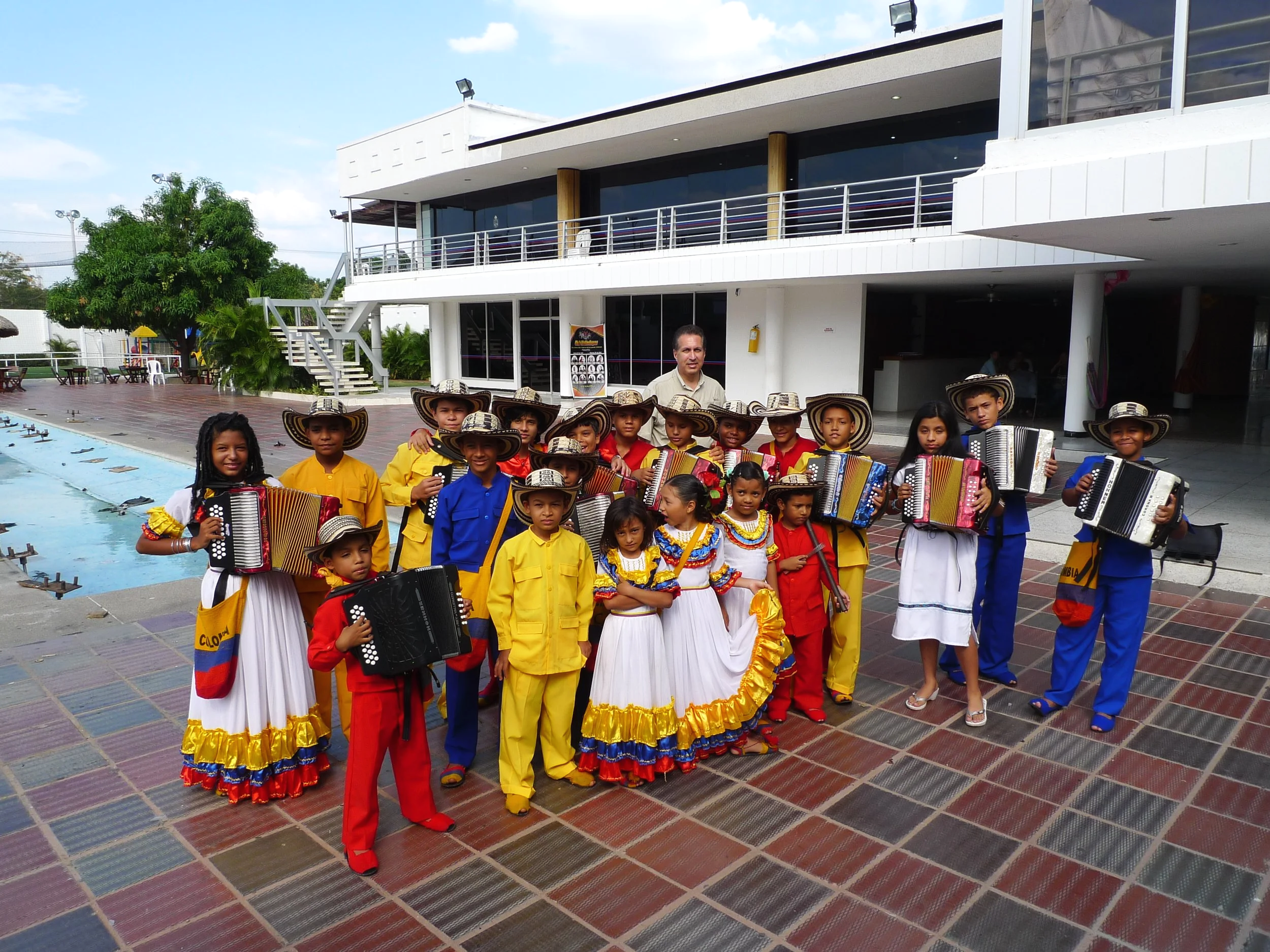
What was also refreshing to see were the children. Young accordionists were everywhere, competing, practicing, and carrying the music forward with the same enthusiasm I had seen among young musicians in our own communities. At a time when the accordion had largely disappeared from mainstream youth culture in much of the United States and Europe, here were two regions thousands of miles apart where a new generation still wanted to play it.
Meeting musicians, technicians, and Indigenous people gave me a closer look at how Colombia had developed its own musical language and traditions around the instrument. To me it was not how different we were, but how much we had in common.
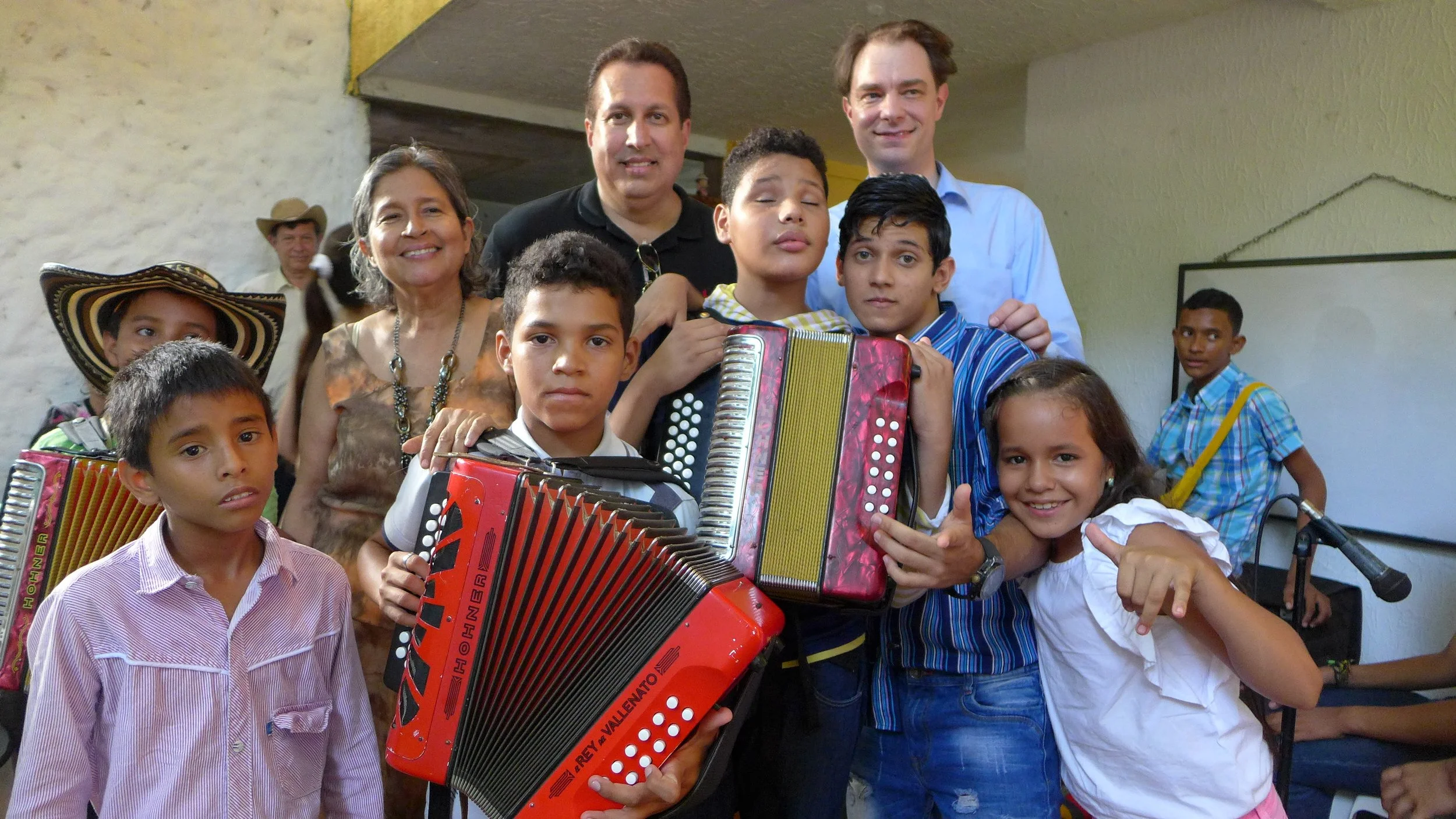
Students of Academia Turco Gil in Valledupar, Colombia, with Gilbert Reyes, HOHNER USA, and Erik Hoerenburg, International Sales Manager, HOHNER Germany, 2012. Turco Gil dedicates his academy to children from underserved families. Music keeps them off the streets and offeres them a better path in life
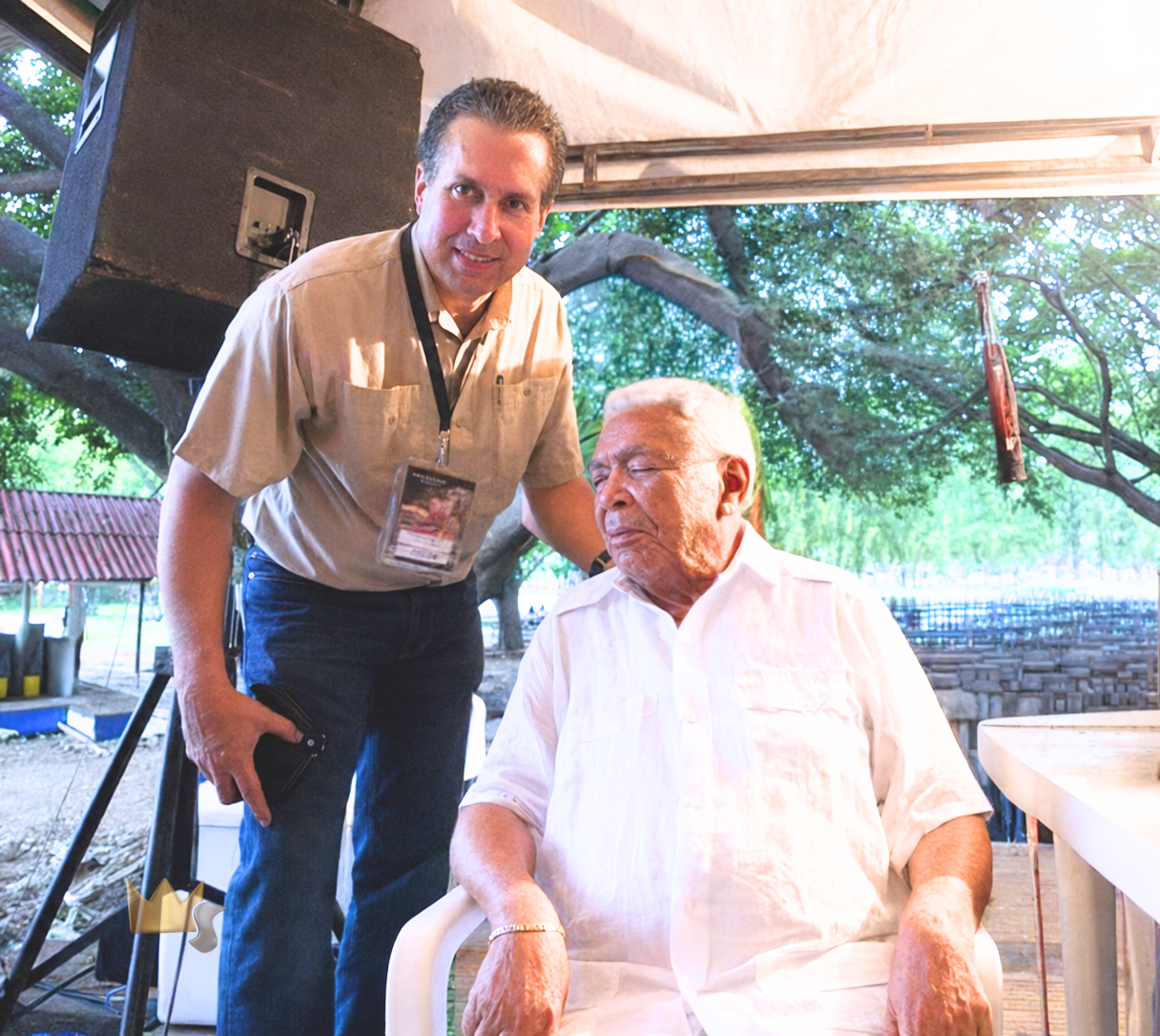
Maestro Leandro Díaz, compositor y poeta
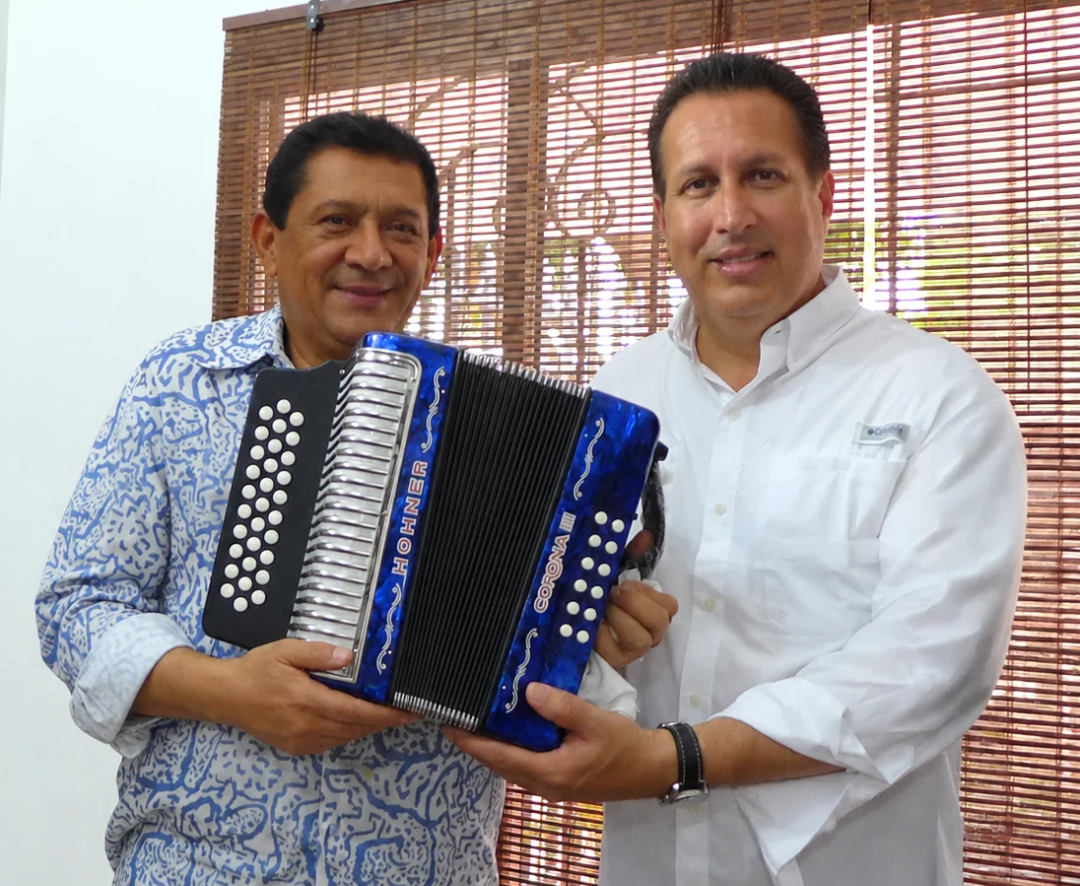
With Emiliano Zuleta during the Zuleta Signature Series project
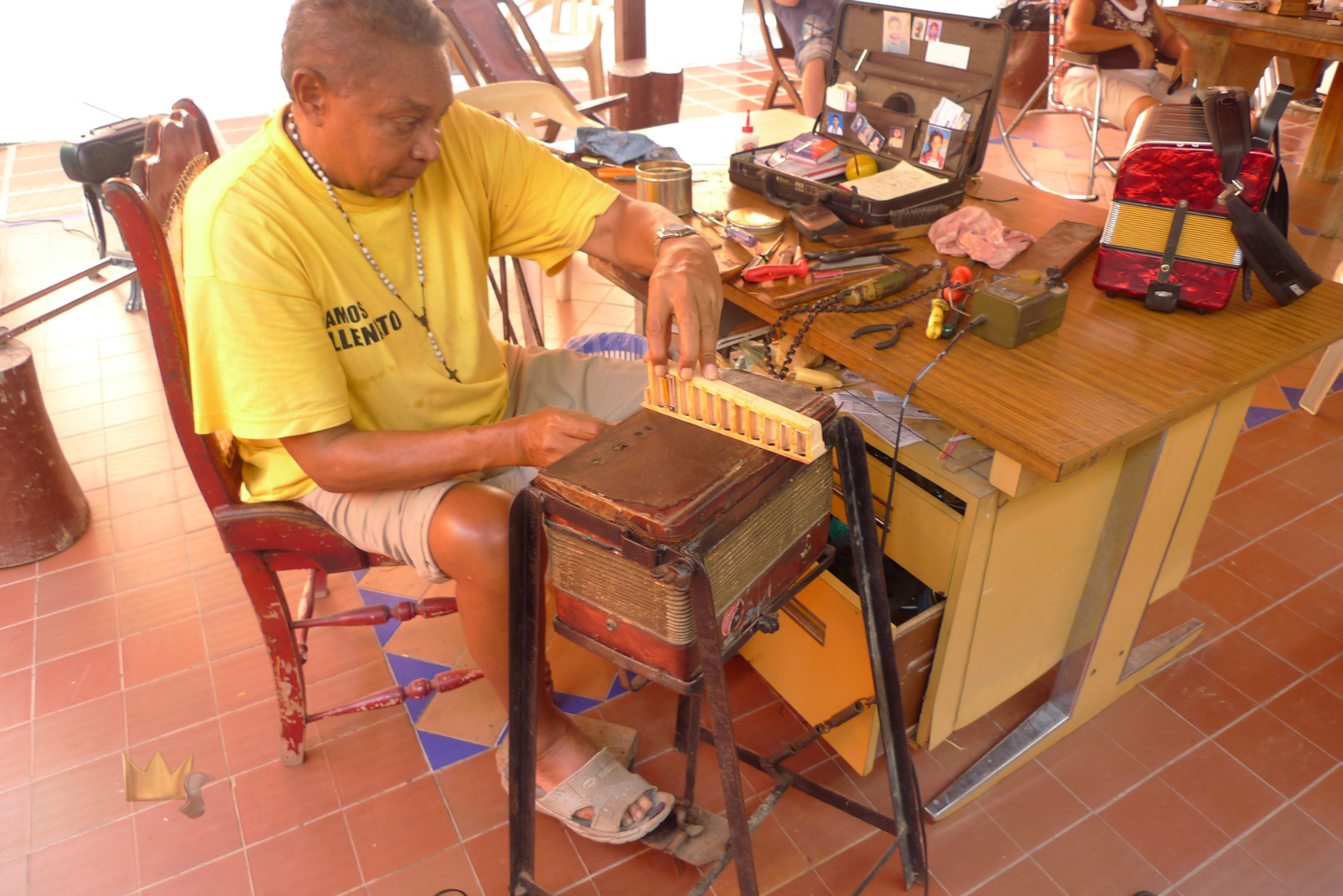
Técnico experto: el maestro Ovidio Granados