Music Has No Borders

From the Dance Hall to the Concert Stage
Every summer, my family traveled from South Texas to visit my grandmother in General Teran, Nuevo Leon. Norteño music was part of everyday life. It played at family gatherings, neighborhood dances, and on the radio. Yet despite its popularity among working families, it was often looked down upon by much of mainstream Mexico. Genres like mariachi and cumbia carried greater prestige, while accordion music was often associated with laborers and rural life. Over the years, I watched that perception change.
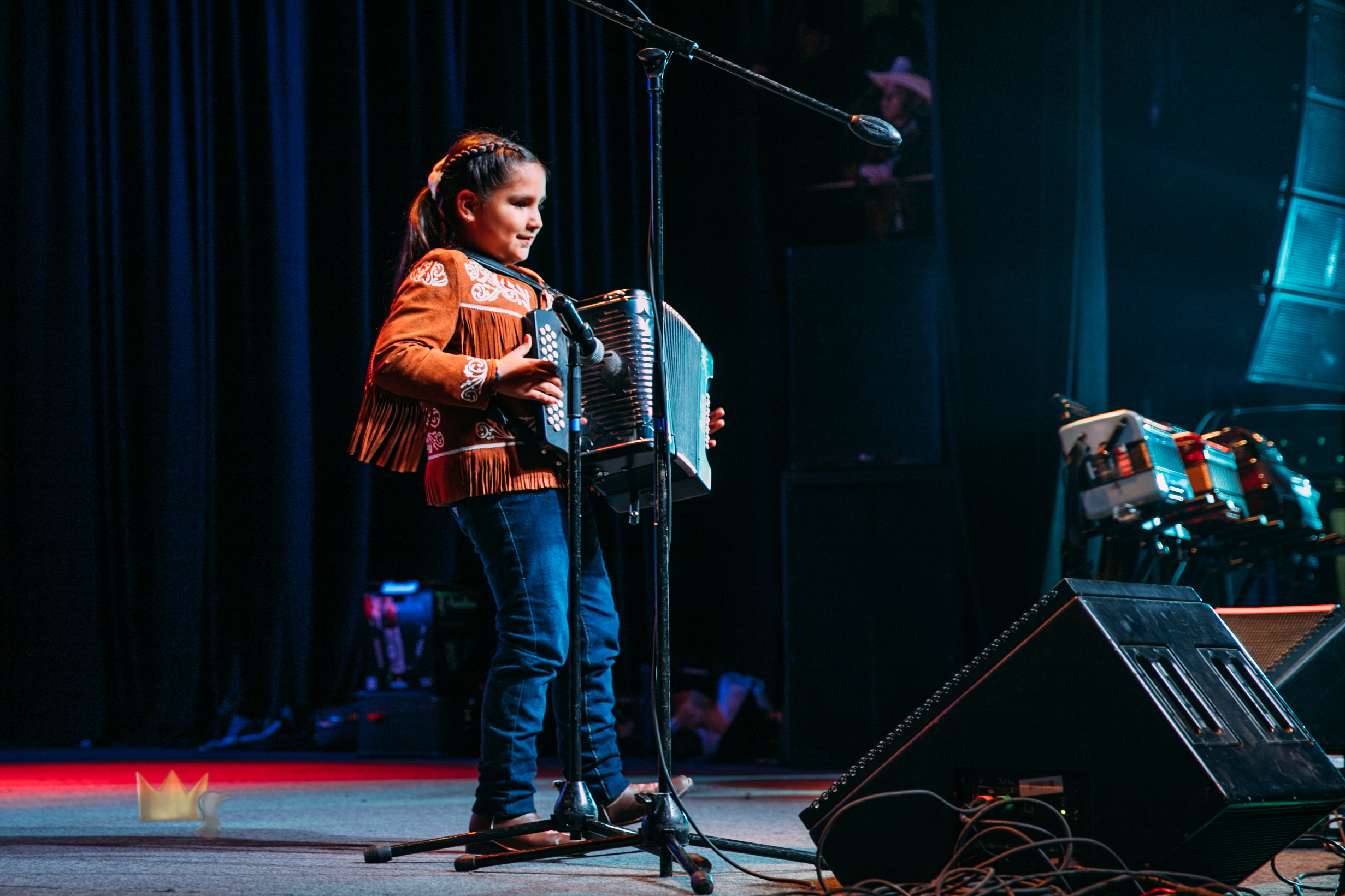
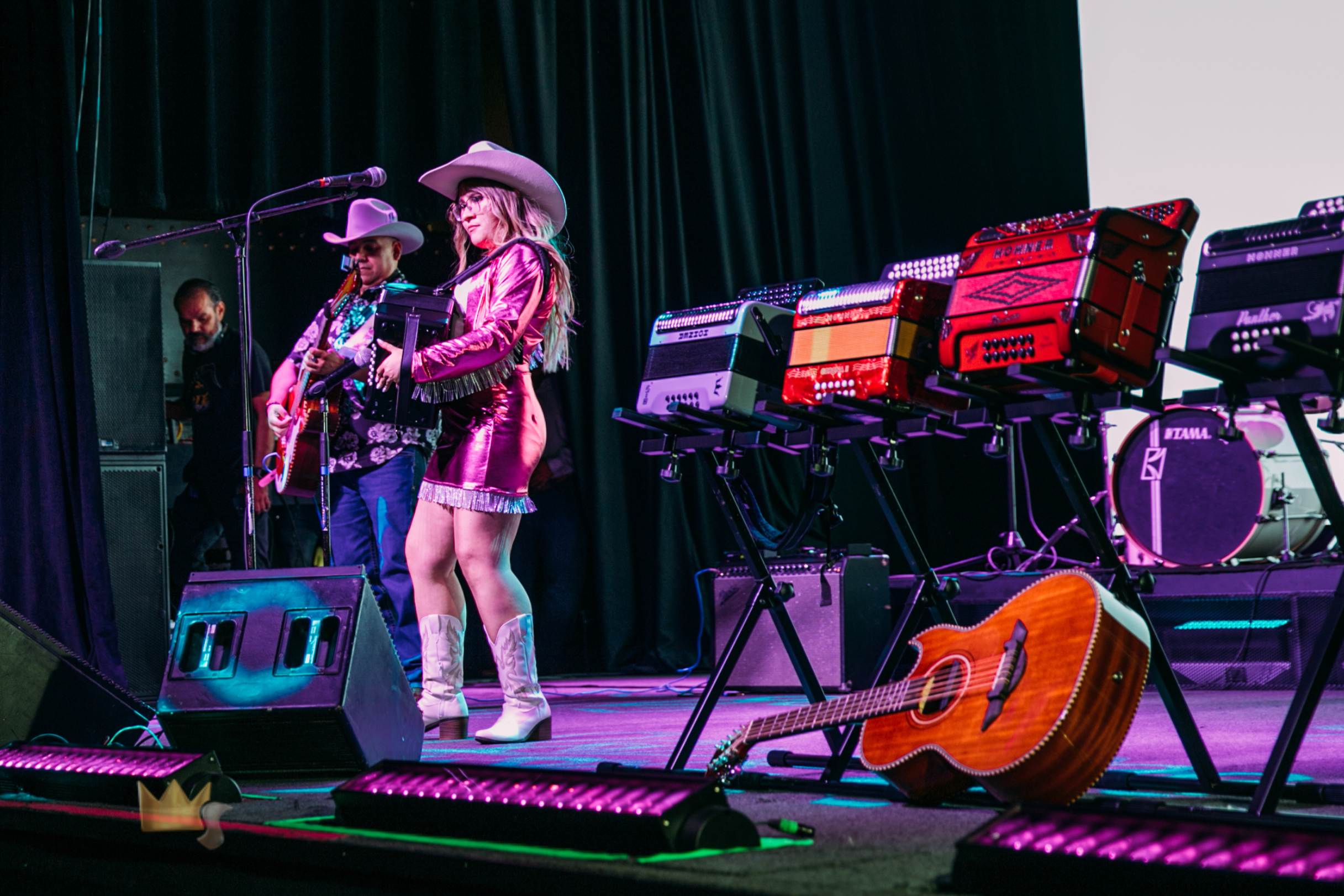
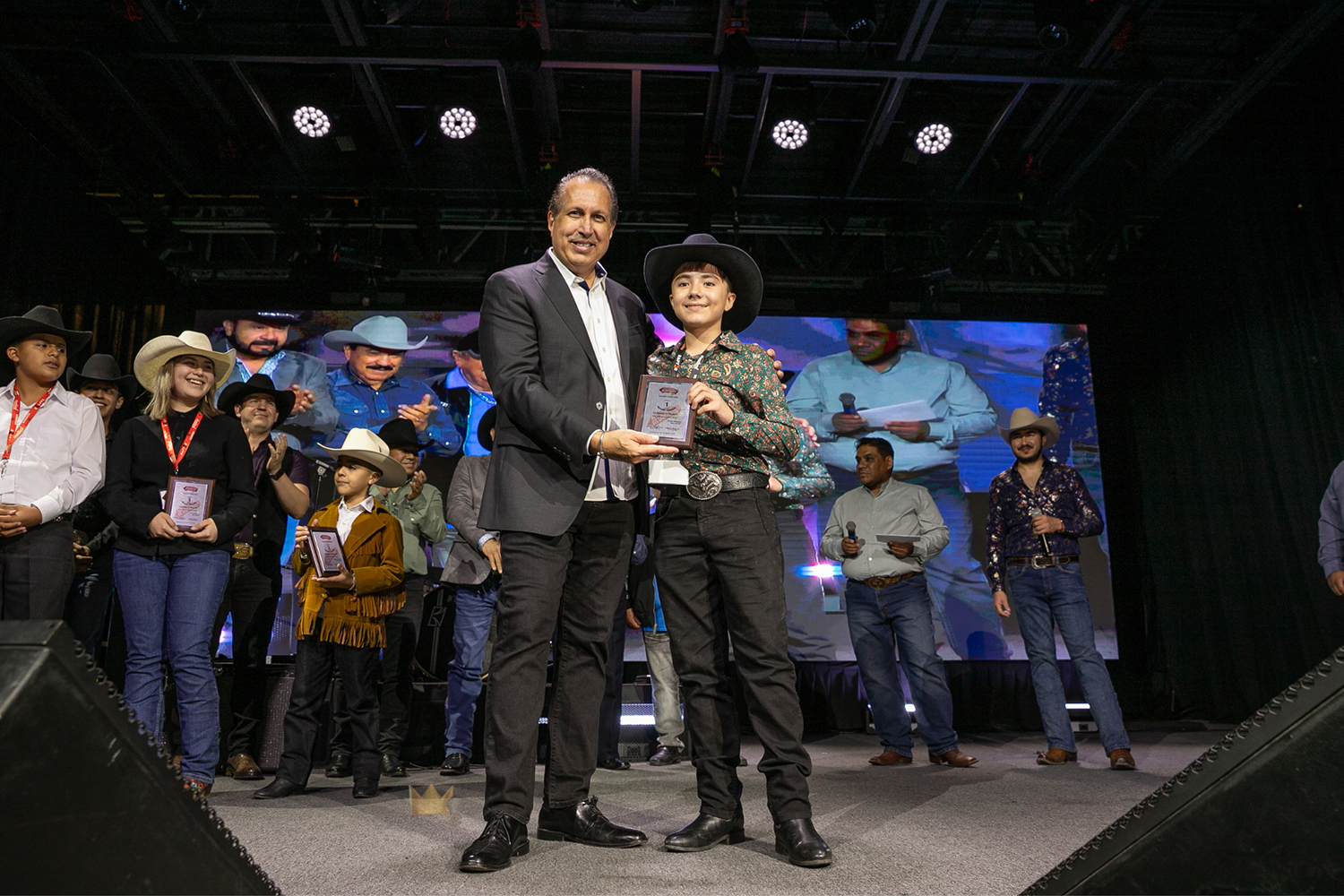
When we helped launch the Festival del Acordeon in Monterrey, I could see that change in the young people who came to compete. Students traveled from across Mexico, representing families from every background. Sons and daughters of doctors, lawyers, educators, and business owners stood alongside young musicians from rural communities, all drawn to the same instrument.
For me, that was significant. An instrument once dismissed by some as music of the working class was now being embraced by a generation that saw Norteño music as part of its cultural identity, regardless of social or economic background.
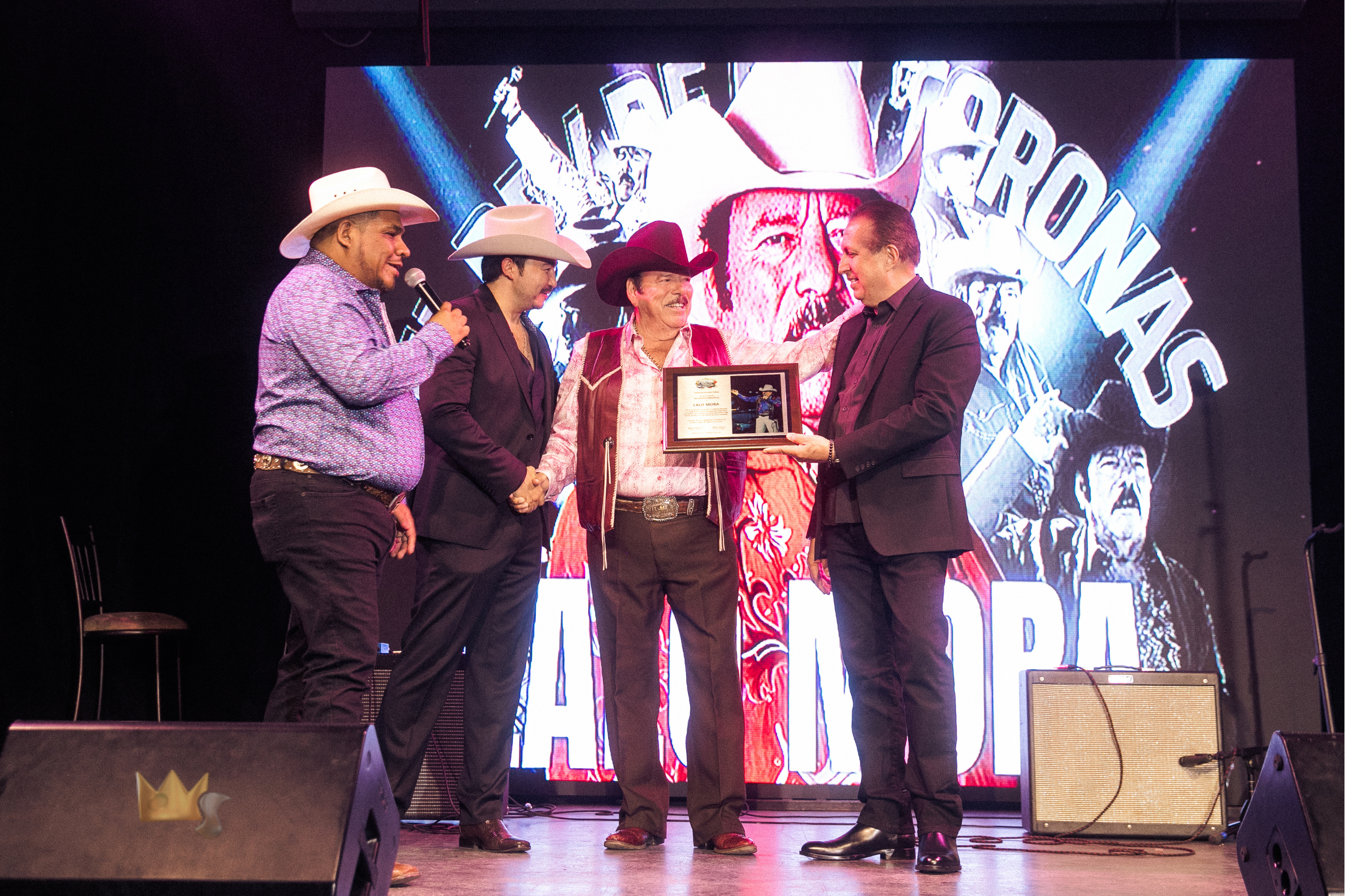
Today, supporting young musicians through the Festival del Acordeon is my way of giving back to the community where my family's story began, Nuevo Leon, Mexico. Equally important is honoring the pioneers who helped shape this music and making sure their contributions are recognized by the generations that follow.
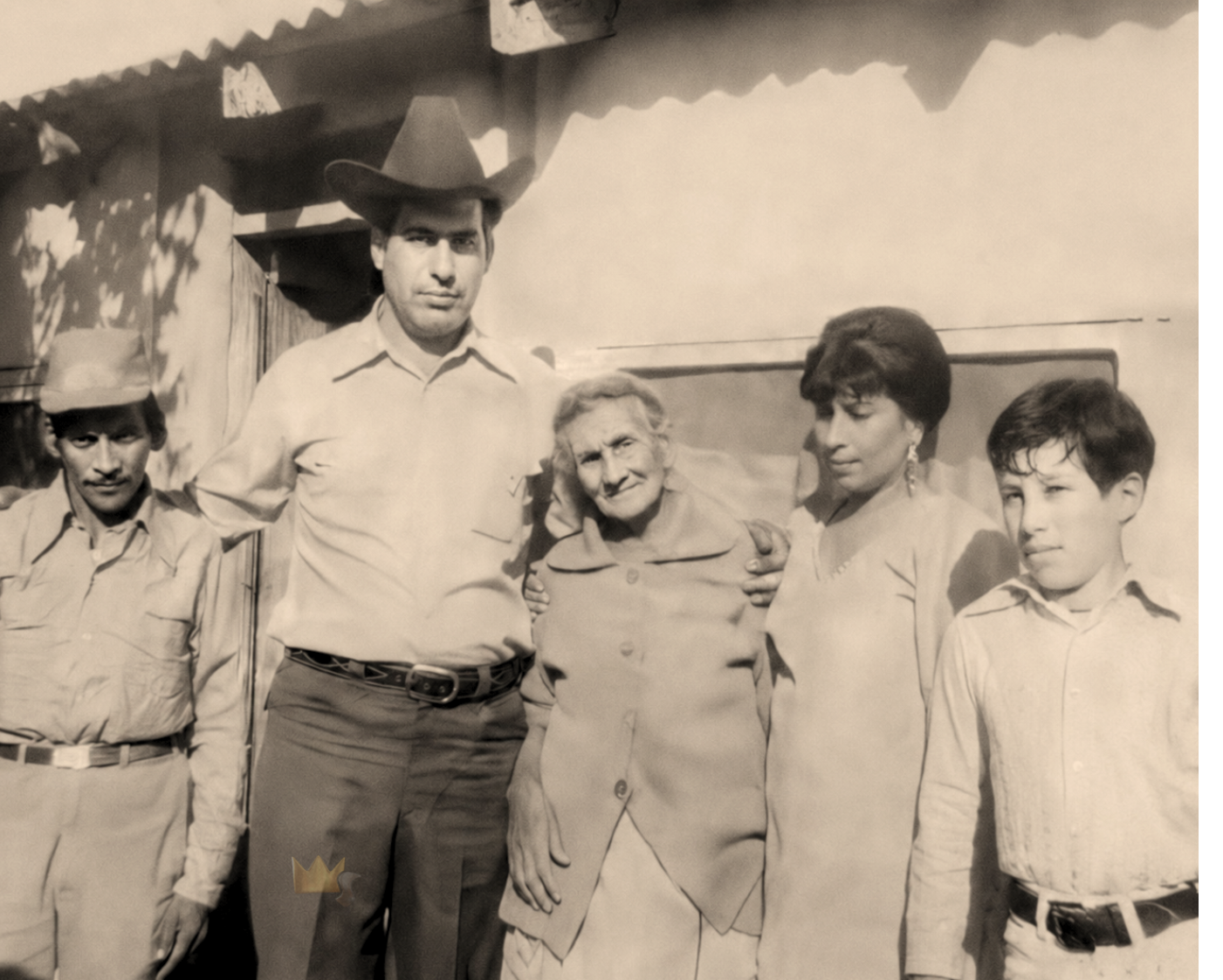
Left to right, my uncle Raul, my father Gilberto Reyes Sr., my maternal grandmother Juanita Garcia, my mother Esperanza Reyes, and me during a visit to General Terán, Nuevo León, Mexico, 1971